Martha ends her engagement to Anders
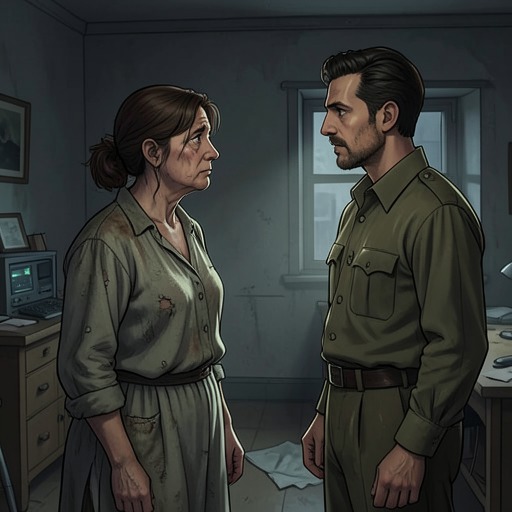
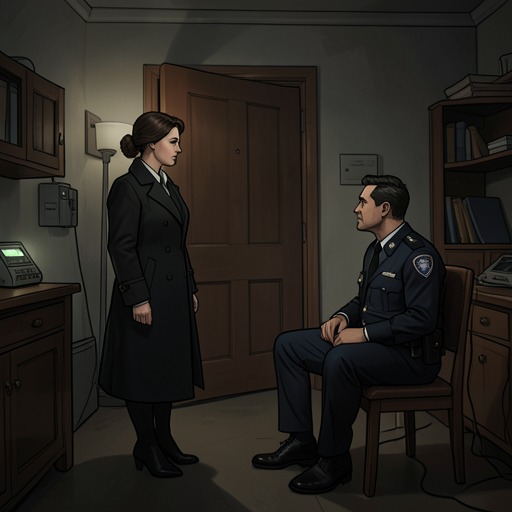
The SonMartha ends her engagement to Anders after his contempt for people in need becomes personal hostility toward Sonny. Her refusal of Sonny’s money, Anders’s attack, and her later announcement to family and friends overturn the wedding plans Anders had pressed her to make. The action is not simply a choice between two men: it marks Martha’s rejection of a relationship in which Anders claims authority over her loyalties and decisions.
Background: A Relationship Under Strain
Anders has already revealed a sharp divide between himself and Martha over social responsibility. He disparages people receiving state assistance, including people with drug problems, while Martha refuses to revisit an argument they have had before. Their disagreement about how vulnerable people should be treated accompanies a more immediate dispute: Anders wants her to set a wedding date, in part because his mother wants to plan the summer. Martha answers that it is not the time to discuss it, but Anders insists that it is.
The pressure is therefore present before Sonny appears. Anders treats the wedding timetable as a matter to settle on his terms, while Martha tries to defer the conversation. His insistence makes the later break part of a pattern of conflict rather than an isolated reaction to Sonny.
Sonny’s Visit and Martha’s Refusal
When Sonny comes to Martha’s door, she warns him that they have company and that the police are looking for him, then asks what he wants. He says he wants to ask forgiveness and offers a briefcase of money for the centre’s building work, which it cannot afford. The offer is presented as practical help, but Martha refuses it. She identifies the money with Sonny’s violence and rejects the earrings he had tried to give her because they belonged to a woman he murdered.
Her response places a moral limit on the intimacy Sonny is asking for. Martha does not treat his apology or the proposed donation as enough to erase the harm connected to him. She tells him to leave, even as his appearance and request force her to confront what she feels and what she can accept.
Sonny then asks Martha to go with him, says he loves her, and explains that he will be at his parents’ house that night before disappearing. Anders comes out and pushes Martha aside as he leaves. Martha follows, and sees Anders move to strike Sonny. Sonny turns and restrains him, then lets him go; Anders continues to hit him, while Sonny does not retaliate. Martha calls for Anders to stop. The contrast is decisive: Sonny’s refusal to answer the blows with violence does not make Martha’s decision for her, but it exposes the difference between his restraint and Anders’s aggression.
The Public Ending of the Engagement
The engagement ends in a separate confrontation at a gathering of friends and family. Anders challenges Martha by asking who would support her account if he were provoked, then accuses her of siding with Sonny against her fiancé. Martha tears herself away and heads toward the door, but pauses and returns to the dining room. She takes a spoon and taps it against a glass before addressing the assembled guests.
Her announcement begins by conceding that Anders was right that they could not wait until summer. In context, the line reverses his demand: rather than agree to his timetable, Martha makes the decision in public and ends the engagement. The pause, return, and improvised announcement turn a private rupture into a clear declaration before the people gathered for their wedding plans.
Significance and Outcome
The action links Martha’s rejection of Anders to the ethical conflict raised by Sonny’s offer. She refuses to accept money associated with violence, yet she also sees Anders’s claim that she must take his side as another form of pressure. Her choice is not an uncomplicated endorsement of Sonny: she has just rejected his gift and confronted him with the harm behind it. Instead, the engagement’s end comes from her refusal to let Anders dictate her judgment or speak for her.
The sequence also makes restraint and control visible through conduct. Sonny permits Anders to strike him rather than retaliating; Anders uses Martha’s loyalty as grounds to insult and control her. Martha ultimately acts in her own voice, at the gathering where the marriage was being anticipated. The engagement ends not through a negotiated change of plans but through her public reversal of the expectation that she will marry Anders.